
The Cross as Provocation or Revelation
City of GodThe placement of a Christian cross on a Jewish synagogue roof provokes competing readings and refuses a single solution.
increasing Bearing strength in each event
 decreasing
Bearing strength in each eventdecreasingTheft from St. Timothy's
Theft from St. Timothy's
Context
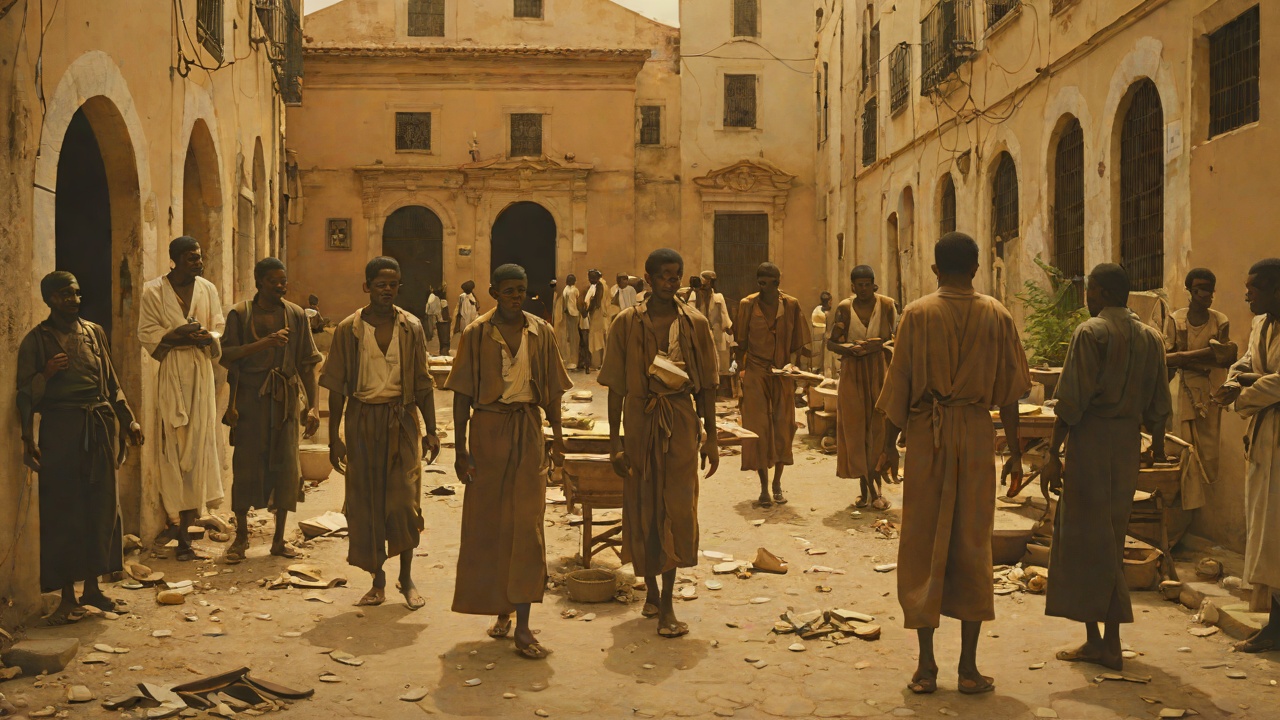
A gang has been robbing St. Timothy's for months, taking robes, candlesticks, and kitchen equipment. Pem's attempt to catch them fails when he dozes in the balcony. He finds the pantry shattered, the alley door open, and the brass cross gone from behind the altar.
Significance
The theft is part of the urban pattern of valueless sacrilege. Pem is angry, not because the objects were expensive, but because their meaning has been drained. The police call the cross scrap metal; Pem begins to wonder if it has become a vessel for something else.
Consequences
The theft puts Pem on a path that will lead him out of his own church. It also creates a vacancy at St. Timothy's that turns the altar into a blank page.
A Cross on a Synagogue Roof
A Cross on a Synagogue Roof
Context
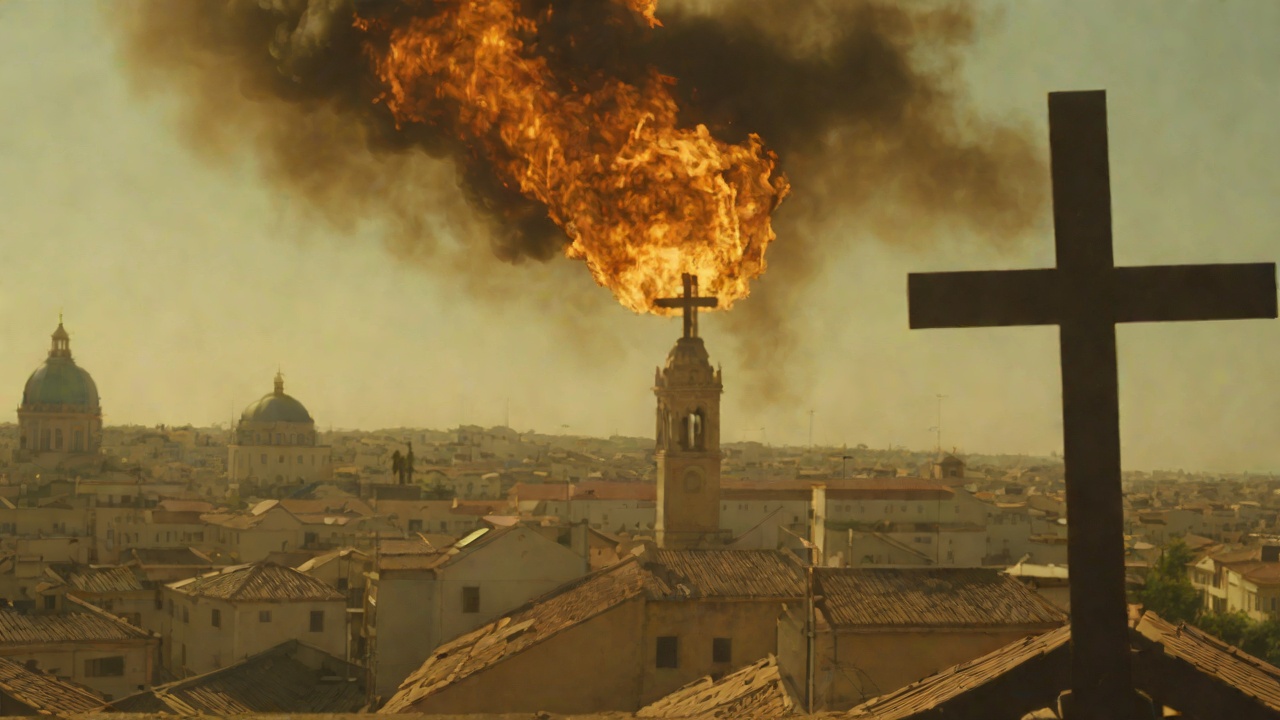
Joshua receives a call that his roof is burning, takes an extinguisher, and finds the brass cross instead. For him it is an execrable symbol; for Pem it is the object of a quest. The two men stand on the roof and try to understand who could have brought them together.
Significance
The cross on the synagogues roof is an act either of supreme anti-Semitism or of supreme mystery. It forces the Jewish community into a position of unwanted publicity. Pem sees the possibility of a sign; Joshua sees a brutal historical insult.
Consequences
The cross is dismantled and returned, but its placement remains unsolved. The failure of detection becomes itself a theological datum.
Who Could Have Done It?

Who Could Have Done It?
Context
Pem, Joshua, and Sarah exchange theories. Joshua rules out the original thieves; then he raises the possibility of ultra-Orthodox zealots who see the EJ as apostasy. Pem wonders if a militant Christian delivered an evolutionary instruction: the errant synagogue should become a church. Sarah remains the superb rationalist.
Significance
Every explanation is an accusation. The cross has been used as a weapon in a war between atavisms, a symbol of both Christian supersession and Jewish apostasy. The inability to choose among readings mirrors the ambiguity of all religious signs.
Consequences
Joshua begins to share Pem's unsuppressed suspicion that the event may have a dimension beyond human motive. Sarah's rationalism holds the line but does not satisfy.
The Sign and Its Human Misreadings
The Sign and Its Human Misreadings
Context
Pem explains to Everett that a sign is not solved by finding its author. It is recognized by the thunderous silent moment when you know something has finally happened. He refuses to let the cross's meaning be reduced to either Christian triumphalism or Jewish victimhood.
Significance
The sign's obscurity is its power. It arrives from the culture, on the street, hard to tell apart from anything else, and communal understanding takes time. Pem's claim is that revelation in democratic times is ground-level and cryptic.
Consequences
The sign drives Pem to leave the priesthood, undertake the Holocaust archive quest, and fall in love with Sarah. Whatever human hands placed the cross, its effect is large.
The Cross as a Door Between Faiths
The Cross as a Door Between Faiths
Context
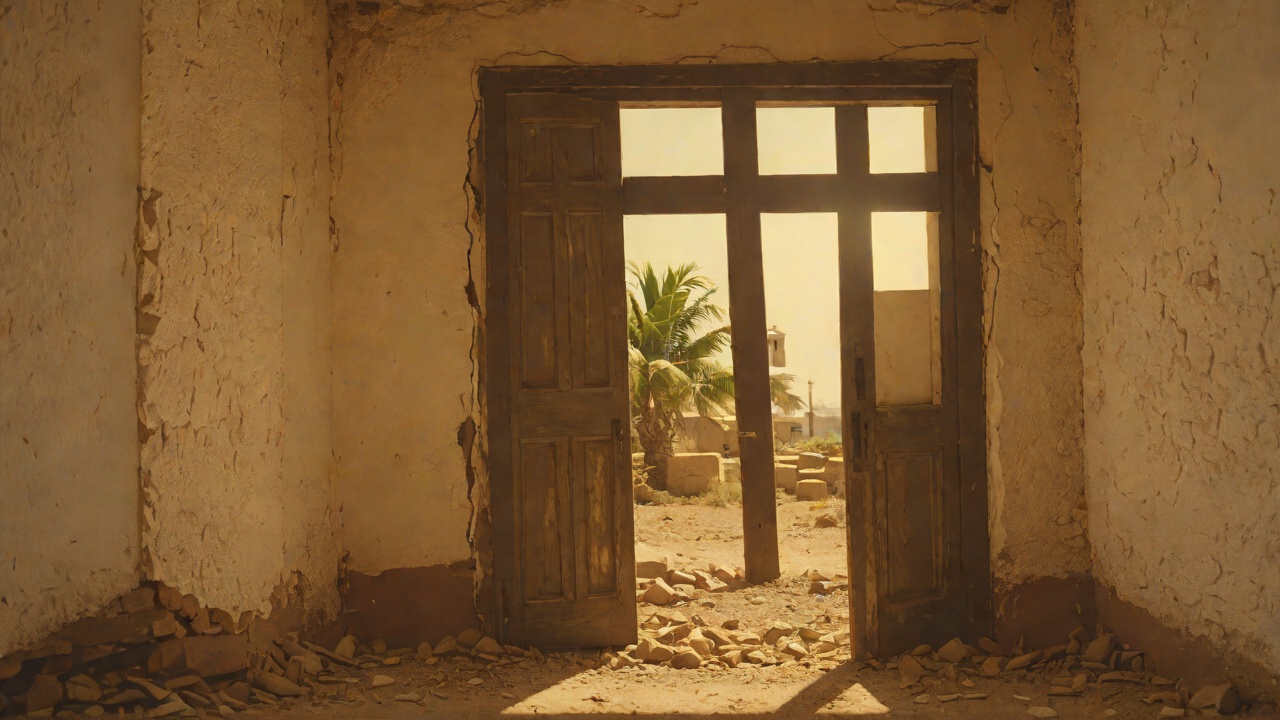
When Pem studies to become a Jew, he says he has never felt more completely Christian than when he is learning to be Jewish. He begins to see the cross not as an exclusive emblem but as a doorway that had to be passed through. The brass cross's journey from St. Timothy's to the synagogue roof and back becomes his own spiritual itinerary.
Significance
The conflict resolves not into a winner but into a conversion. Pem's new faith is built from the wreckage of an old one, and the cross remains a sign of what was lost and what was gained. The boundaries between traditions become less important than the awe they both seek.
Consequences
At the wedding, Pem stands with one foot in each tradition before describing himself as a Jew. The cross, once a weapon of division, has become a station on a pilgrimage.
mid-autumn, on the night Pem catches the thieves in the pantry
the day Rabbi Joshua Gruen finds the cross on the roof of the EJ synagogue
during the joint investigation of Pem, Joshua, and Sarah
after the cross is returned to St. Timothy's
during Pem's conversion studies and wedding preparations
